

Wet Drum Magnetic Separators: Understanding Wet Drum Magnetic Separators
Wet drum magnetic separators are essential tools in industries that require the separation of magnetic materials from non-magnetic ones. These machines are designed to process slurry or liquid-based materials, relying on magnetic fields to isolate valuable substances. The core purpose of these separators is to enhance operational efficiency by effectively removing ferromagnetic and paramagnetic particles, thus improving the quality of the output material.
The main components of wet drum magnetic separators include the rotating drum, magnetic circuit, tank, and drive assembly. The drum serves as the primary medium for capturing magnetic particles, while the magnetic circuit generates the required field strength. The tank holds the slurry, and the drive assembly powers the drum’s rotation.
How Wet Drum Magnetic Separators Work
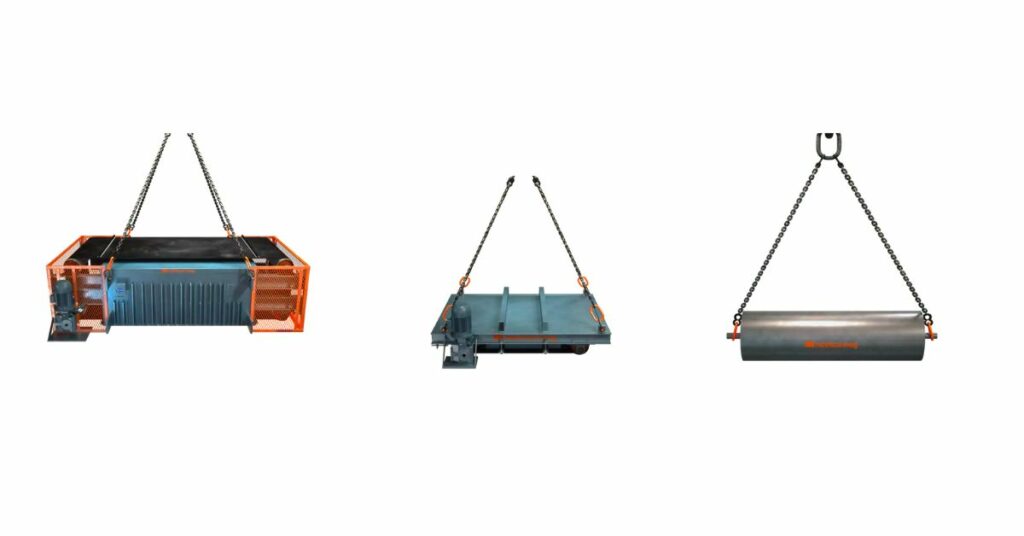
The separation process begins when slurry containing a mix of magnetic and non-magnetic particles is fed into the separator’s tank. The magnetic field generated by the circuit attracts the magnetic particles, pulling them toward the surface of the rotating drum. As the drum rotates, these particles are carried to a collection area where they are removed, leaving non-magnetic particles to exit the system.
This step-by-step process ensures continuous operation. Magnetic fields vary in strength depending on the separator’s type and intended application. The process also incorporates water flow, which assists in washing away any loosely adhered non-magnetic particles from the magnetic materials.
Types of Wet Drum Magnetic Separators
The effectiveness of wet drum magnetic separators depends largely on their type, as each is tailored to specific operational needs.
Low-Intensity Magnetic Separators (LIMS): These are suited for separating highly magnetic materials such as magnetite and ferrosilicon. They operate at lower field strengths, typically used in coal washing and iron ore processing.
Medium-Intensity Magnetic Separators (MIMS): These separators are designed for processing slightly magnetic materials and are often used in the beneficiation of ores containing hematite and limonite.
High-Intensity Magnetic Separators (HIMS): These are used for handling weakly magnetic materials like garnet or ilmenite. They operate at much higher field strengths, making them ideal for more demanding applications.
Industrial Applications of Wet Drum Magnetic Separators
The versatility of wet drum magnetic separators makes them indispensable across various industries.
Mining and Mineral Processing: In mining, these separators are used to recover valuable magnetic minerals and reduce impurities in ore concentrates. They play a key role in the beneficiation of iron ores.
Coal Washing: Magnetic separators assist in removing magnetite used as a heavy medium during coal washing processes, allowing for its reuse and improving efficiency.
Chemical Industry: In chemical production, magnetic separators help in purifying raw materials by removing unwanted magnetic impurities.
Recycling and Waste Management: These separators are used to recover valuable magnetic materials from industrial and municipal waste, contributing to sustainable practices.
Advantages of Using Wet Drum Magnetic Separators
Wet drum magnetic separators offer several operational and economic benefits.
High Efficiency in Separation: They provide precise separation, ensuring the recovery of high-purity magnetic materials.
Continuous Operation and Low Maintenance: Designed for durability, these machines require minimal maintenance, ensuring uninterrupted operations.
Versatility Across Industries: The adaptability of these separators makes them suitable for diverse applications, from mining to recycling.
Factors to Consider When Selecting a Wet Drum Magnetic Separator
Selecting the right separator involves careful evaluation of various factors.
Material Characteristics: The type and size of the material being processed significantly impact the choice of separator. Highly magnetic materials require lower field strengths, while weakly magnetic ones need higher intensity separators.
Desired Purity Levels: Industries aiming for extremely pure outputs may require separators with advanced features to achieve stringent standards.
Operational Environment: The working conditions, such as temperature, slurry viscosity, and the presence of corrosive elements, also dictate the type of separator needed.
Maintenance and Operational Best Practices
To ensure optimal performance, regular maintenance is crucial. Routine inspections can identify wear and tear early, preventing costly downtime. Cleaning the drum surface and tank periodically helps maintain separation efficiency.
Monitoring performance metrics, such as recovery rates and throughput, allows operators to detect any decline in efficiency. Safety practices, including proper handling of magnetic components and wearing protective gear, should always be followed.
Recent Developments and Innovations
The magnetic separation industry is evolving, with technological advancements enhancing the capabilities of wet drum separators.
Advances in Magnetic Materials: The development of stronger, more efficient magnetic materials has increased the performance of separators while reducing energy consumption.
Integration with Automated Systems: Automation allows for precise control and monitoring, improving operational efficiency and consistency.
Energy Efficiency Improvements: Modern designs focus on reducing energy consumption without compromising performance, aligning with sustainability goals.
Common Challenges and Troubleshooting
Despite their benefits, wet drum magnetic separators may encounter challenges during operation.
Handling High-Viscosity Slurries: Dense or viscous slurries can hinder the separation process. Adjusting flow rates and maintaining proper tank levels can help mitigate this issue.
Dealing with Abrasive Materials: Prolonged exposure to abrasive particles can wear down drum surfaces. Using wear-resistant coatings or materials can extend equipment lifespan.
Addressing Magnetic Field Fluctuations: Variations in the magnetic field strength can impact separation efficiency. Regular checks of the magnetic circuit ensure consistent performance.
Future Trends in Wet Drum Magnetic Separation
The future of magnetic separation looks promising, with innovations geared toward addressing industry needs.
Adoption of Smart Technologies: Smart separators equipped with sensors and IoT integration enable real-time monitoring and predictive maintenance.
Environmental Sustainability Initiatives: There is a growing focus on designing separators that reduce waste and energy use, aligning with global sustainability efforts.
Expansion into Emerging Markets: The demand for magnetic separators is rising in developing regions, driven by growth in mining and recycling sectors.
Wet drum magnetic separators remain critical to industrial operations, providing efficient solutions for material separation. Their ongoing development promises even greater contributions to industry and sustainability in the years to come.