
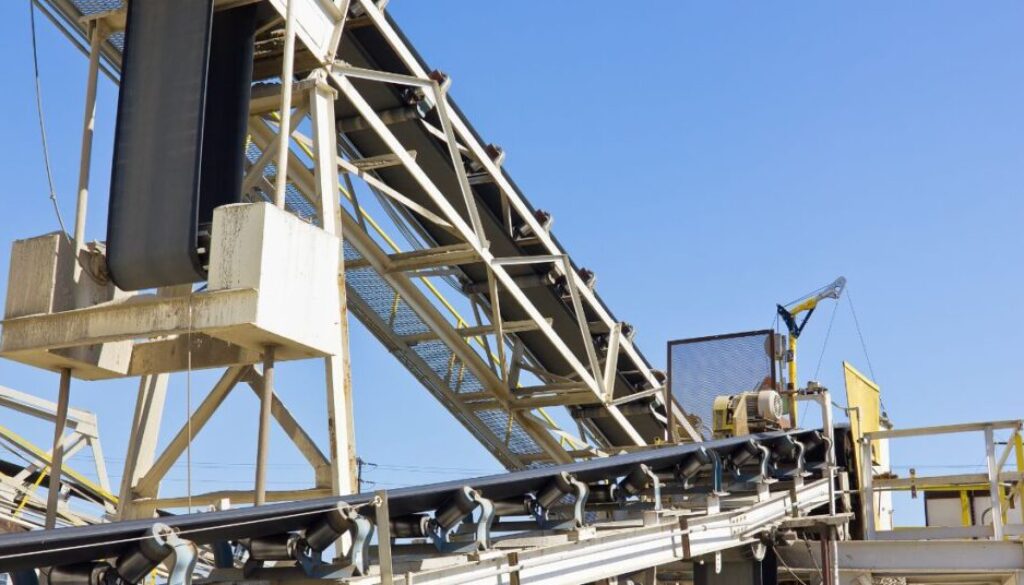
What is a Magnetic Separator: Functionality and Importance
Magnetic separators are specialised pieces of equipment used to separate magnetic materials from non-magnetic ones. It plays a critical role in various industries by ensuring product purity and enhancing the efficiency of industrial processes. The device utilises magnetic fields to attract and isolate magnetic particles, such as ferrous metals, from a mixture. This separation process is essential in industries where contamination could compromise product quality, safety, or performance.
Brief History of Magnetic Separation Technology

The concept of magnetic separation dates back centuries, with early uses in mining and mineral processing. Primitive magnets were employed to extract magnetic ores from surrounding rock. Over time, advancements in technology have transformed magnetic separation into a sophisticated and efficient process. Modern magnetic separators now use powerful electromagnets and innovative designs to cater to various industrial needs, from recycling to food production.
How Magnetic Separators Work
The Role of Magnetic Fields in Separation
Magnetic separators and magnetic separator conveyor belts rely on magnetic fields to perform their function effectively. When a magnetic field is applied to a mixture, it influences magnetic materials by attracting them, allowing for separation from non-magnetic substances. Depending on the type of separator, the field can be static or dynamic, with configurations optimised for specific industrial requirements.
Key Components of a Magnetic Separator
Magnetic separators consist of several components, including the magnetic source, feed system, and collection area. The magnetic source generates the field, while the feed system guides the material into the separation zone. Once the magnetic particles are separated, the collection area stores them for further processing or disposal. These components work together seamlessly to ensure efficient operation.
Types of Magnetic Separators Based on Function
There are various types of magnetic separators designed for different tasks. Permanent magnets, for example, are widely used in smaller-scale applications, while electromagnetic separators are preferred for heavy-duty industrial processes. Some separators are designed to handle wet materials, while others are built for dry conditions. Each type has a specific role and offers distinct advantages, making them suitable for varied industries.
Applications of Magnetic Separators Across Industries
Use in Mining and Mineral Processing
Magnetic separators are indispensable in the mining industry. They extract valuable minerals such as magnetite and hematite from ores while removing impurities. This ensures a higher quality of the final product and enhances operational efficiency. By separating magnetic particles, mining operations can optimise resource utilisation and reduce waste.
Role in Food Production and Safety
In the food industry, magnetic separators play a crucial role in maintaining safety and quality. They remove metallic contaminants that may inadvertently enter food products during processing. This reduces the risk of equipment damage and ensures compliance with stringent safety regulations. Magnetic separators are often installed in food production lines to safeguard both consumers and machinery.
Contributions to Recycling and Waste Management
Recycling facilities benefit greatly from magnetic separators. They are used to sort ferrous metals from non-metallic materials, streamlining the recycling process. This not only increases the efficiency of material recovery but also contributes to environmental sustainability by reducing the amount of waste sent to landfills.
Impact in Pharmaceuticals and Chemicals
Magnetic separators are also vital in the pharmaceutical and chemical industries. They ensure the purity of raw materials and finished products by removing unwanted metallic particles. This is particularly important in applications where contamination could compromise product efficacy or safety.
Types of Magnetic Separators
Overhead Magnets
These are mounted above conveyor belts and remove ferrous materials as they pass through the magnetic field. Overhead magnets are commonly used in recycling and mining operations.
Drum Magnetic Separators
Wet Drum magnetic separators feature a rotating drum that attracts magnetic particles while allowing non-magnetic materials to pass. They are widely used in mineral processing and waste management.
Magnetic Grids and Bars
These are compact separators often installed in hoppers or chutes. They are ideal for removing fine metallic contaminants in food production and other industries.
Plate and Suspended Magnets
Plate magnets are fixed installations that capture ferrous contaminants from flowing materials, while suspended magnets hang above conveyors to achieve similar results in high-capacity applications.
High-Intensity Magnetic Separators
Designed for specialised tasks, these separators generate exceptionally strong magnetic fields to capture weakly magnetic particles, such as stainless steel fragments.
Key Factors Affecting Magnetic Separator Performance
Magnetic Intensity and Strength
The strength of the magnetic field directly influences the separator’s effectiveness. A stronger field can capture smaller and less magnetic particles, increasing separation precision.
Material Flow and Feed Rate
Optimal performance depends on controlling the flow rate of materials. Too fast, and particles may bypass the magnetic field; too slow, and efficiency drops. Adjusting feed rates ensures consistent results.
Particle Size and Composition
Larger and more magnetic particles are easier to separate than smaller or weaker ones. Proper calibration of the separator ensures it accommodates a wide range of particle sizes and types.
Benefits of Using Magnetic Separators
Enhanced Product Purity
By removing contaminants, magnetic separators ensure that the final product meets high-quality standards. This is particularly vital in industries like food and pharmaceuticals.
Increased Efficiency in Industrial Processes
By automating the separation process, magnetic separators reduce manual labour and speed up production. This leads to cost savings and improved productivity.
Reduction in Downtime and Maintenance Costs
By preventing contaminants from damaging machinery, magnetic separators help reduce maintenance costs and minimise production downtime.
Challenges in Magnetic Separation
Handling Non-Magnetic Contaminants
Magnetic separators are ineffective against non-magnetic contaminants, requiring additional methods for comprehensive cleaning.
Equipment Wear and Tear in Industrial Settings
Continuous use in demanding environments can lead to wear and tear. Regular maintenance and choosing high-quality materials are essential to prolong equipment lifespan.
Innovations in Magnetic Separator Technology
Advancements in Material Composition
New materials, such as rare-earth magnets, have significantly improved the performance of magnetic separators. They offer stronger fields and better durability.
Smart Technology and Automation in Magnetic Separators
Modern separators incorporate sensors and automation, allowing for real-time adjustments and monitoring. This enhances efficiency and reduces operator intervention.
Choosing the Right Magnetic Separator for Your Needs
Factors to Consider When Selecting Equipment
Key considerations include the type of material being processed, the required separation precision, and the operational environment. Matching the separator to your specific needs ensures optimal performance.
Aligning Separator Specifications with Operational Goals
It’s important to balance cost, performance, and maintenance requirements when selecting a magnetic separator. Proper alignment with operational goals maximises returns on investment.
The Future of Magnetic Separation
Emerging Trends in Magnetic Technology
Innovations such as hybrid separators and enhanced field configurations are shaping the future of magnetic separation. These advancements promise greater efficiency and broader applications.
Sustainability and Environmental Benefits
Magnetic separators contribute to environmental conservation by supporting recycling efforts and reducing industrial waste. As sustainability becomes a priority, their role will only grow more significant.